
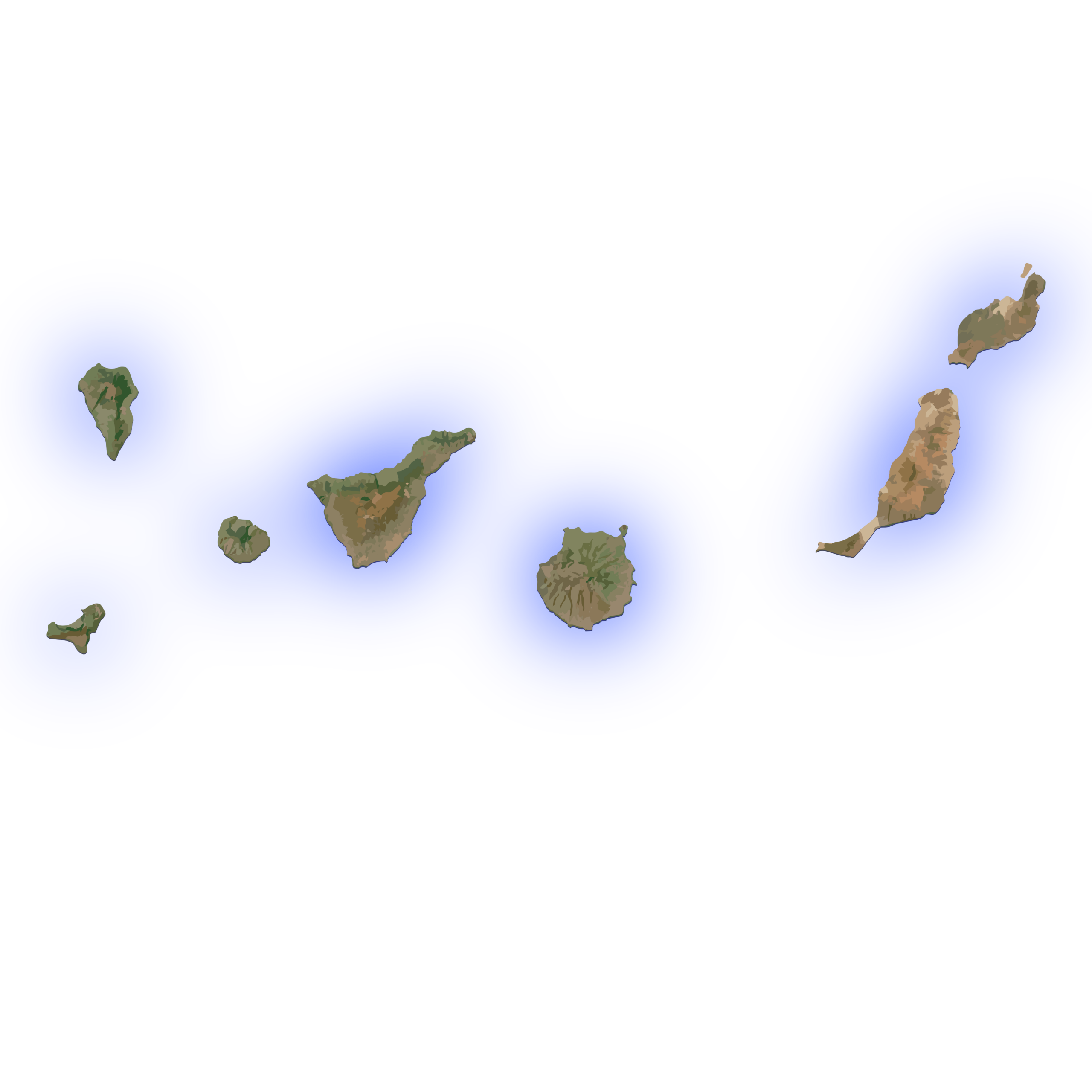
The Canary Islands are often mentioned in the same breath, but anyone who knows the archipelago beyond tourism understands: each island has its own completely unique character, specific climatic conditions, and its own distinct dynamics. Moving here is not just a change of location. Choosing the right island determines significantly whether you will settle in long-term and truly arrive in your new everyday life.
This overview helps you find the island that matches your lifestyle and habits perfectly.
1. The All-Rounders: Tenerife and Gran Canaria
Suitable for: Families, entrepreneurs, remote workers, and cultural enthusiasts
Teneriffa and Gran Canaria offer the most developed infrastructure. Anyone looking for familiar city life, international schools, seamless medical care, and a wide cultural offering is in the right place here. However, for both islands, one rule applies: North and South are two completely different worlds.
Tenerife: The largest island impresses with extreme contrasts. While the green North (around Puerto de la Cruz and La Laguna) is very traditionally Canarian, shaped by culture, and often a bit cooler, the South (Adeje, Los Cristianos) offers a year-round guarantee of sun and a highly international community. Thanks to the Teide massif, hikers will also find an enormous territory here.
Gran Canaria: Often referred to as a “miniature continent,” a similarly strong division is evident here. The North around the capital, Las Palmas, is the economic and cultural heart – an urban hotspot for digital nomads with big-city flair, colonial architecture, and the famous city beach Playa de Las Canteras. However, the weather here is often more changeable. The South (Maspalomas, Playa del Inglés), on the other hand, is the ultimate destination for sunseekers: absolute sun guarantee, the famous dunes, and a massive, multicultural resident community await you here, albeit in a strongly tourist-oriented environment.
2. The Decelerated: Fuerteventura and Lanzarote
Suitable for: Water sports enthusiasts, individualists, peace seekers, and aesthetes
The two eastern islands are located closest to the African coast. The landscape is rawer, flatter, and strongly shaped by the elements of wind and volcanism.
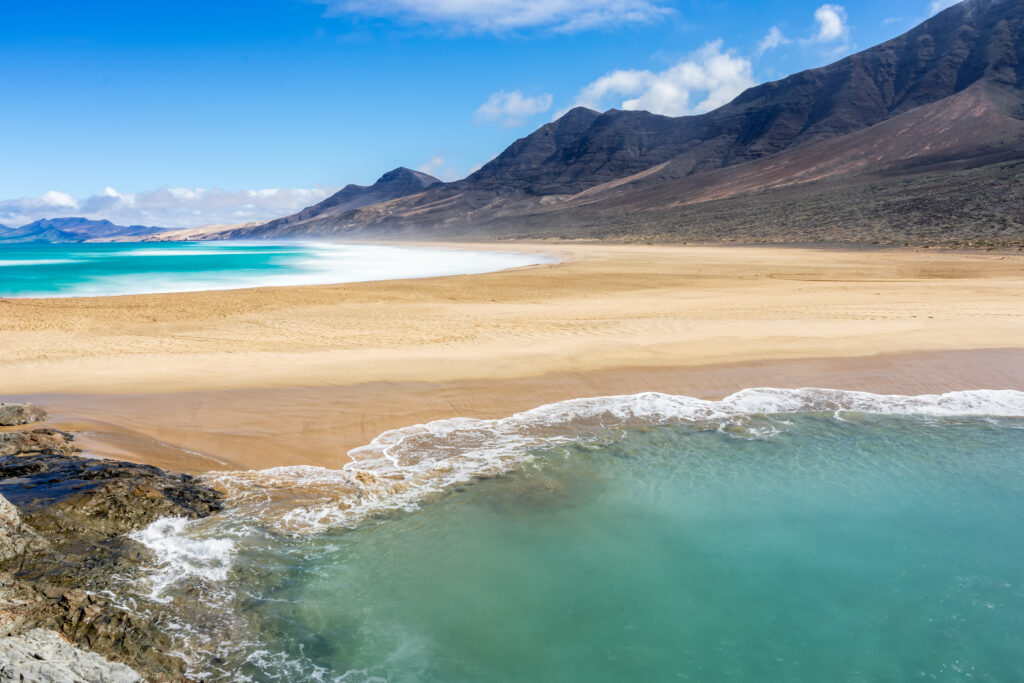
Fuerteventura: A paradise for surfers, kiters, and beach lovers. The endless, bright sandy beaches in the north (Corralejo) and south (Jandía) offer plenty of space. Life here is noticeably slower, unhurried, and strongly focused on the ocean. Anyone looking for endless expanses and able to handle the steady trade winds will find deep peace here.
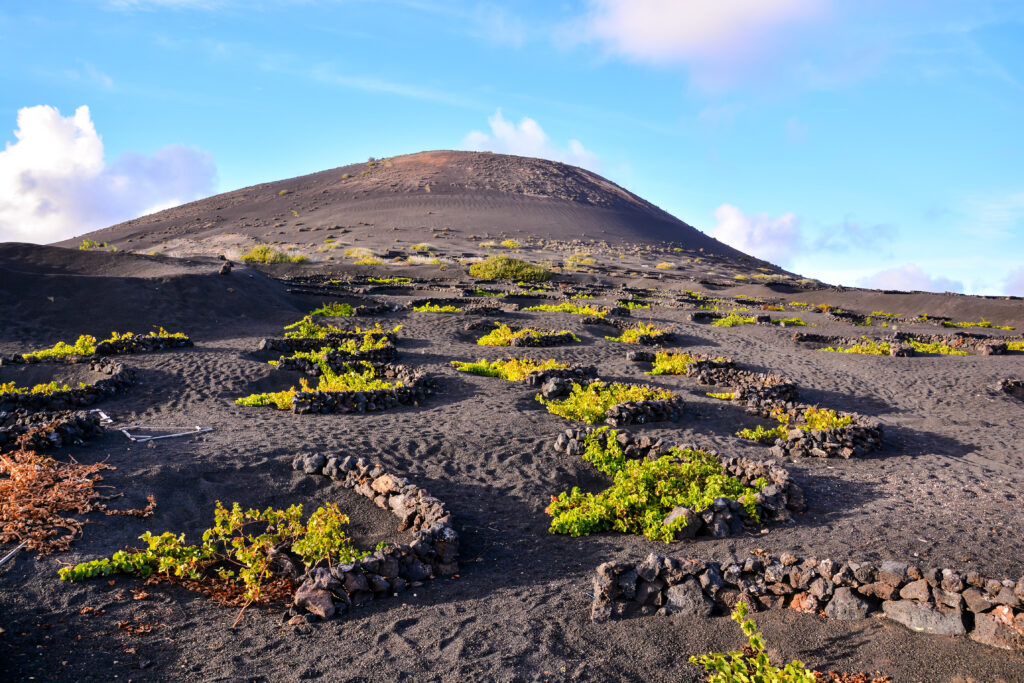
Lanzarote: An architectural and visual masterpiece. Shaped by the legacy of artist César Manrique, the white villages harmonize perfectly with the dark lava fields. Lanzarote primarily attracts peace seekers, creatives, and individualists who appreciate a stylish, decelerated environment.
3. The Green Oases: La Palma, La Gomera, and El Hierro
Suitable for: Nature lovers, hikers, and fans of authentic village life
The western islands of the archipelago have remained largely untouched by mass tourism. Here, life is lived in harmony with a spectacular natural environment.
La Palma: The “Isla Bonita” fascinates with steep slopes, dense pine and laurel forests, and one of the clearest night skies in the world. Nature is still in transition after the 2021 volcanic eruption but remains an absolute eldorado for hikers.
La Gomera: Just a short ferry ride from Tenerife, La Gomera offers an almost mystical mountain world with the Garajonay National Park. For decades, the island has attracted people looking for an alternative, decelerated life away from any hustle and bustle.
El Hierro: The smallest of the classic seven islands is a pioneer in terms of sustainability, generating a large part of its energy from renewable sources. El Hierro is raw, windswept, and features spectacular diving spots. An ideal environment for people looking for conscious seclusion.
4. The Untouched Paradise: La Graciosa
Suitable for: Purists, dropouts, and people looking for absolute deceleration
Since 2018, La Graciosa has officially been the eighth inhabited island of the Canaries. Anyone moving here seeks a conscious reduction to the essentials and a life in harmony with the elements.
The Lifestyle: There are no asphalted roads on the entire island – you move on foot, by bicycle, or with one of the few licensed all-wheel-drive taxis. Life takes place in the charming main village of Caleta del Sebo, where the fine sand leads right through the streets. Shoes are rarely needed here; community life is honest, neighborly, and wonderfully unhurried.
The Nature: Since the island belongs entirely to the Chinijo Archipelago Nature Park, the landscape is strictly protected and characterized by wild beauty. Dream beaches like Playa de las Conchas offer an untouched backdrop.
The Exclusive Peace: Logistics run entirely via ferry from nearby Lanzarote. What sounds like an extra effort is at the same time the best protection for the island’s unique character: as soon as the excursion boats depart in the late afternoon, the paradise belongs entirely to the few residents and the absolute silence of the Atlantic.
Conclusion
The decision for an island is always a balance between desired infrastructure and the degree of connection to nature. While Tenerife and Gran Canaria offer maximum flexibility in everyday life, smaller islands or sandy La Graciosa require a willingness to embrace a more minimalist and decelerated way of life.
No matter where your journey takes you: A move across the Atlantic requires precise logistical planning – especially if the destination is one of the smaller islands without a direct flight connection. We at Phoenix Trans Internacional support you in bringing your belongings safely to your island of choice. We know the customs and port regulations of the islands and ensure smooth processing so that you can start your new life under the Canarian sun relaxed.