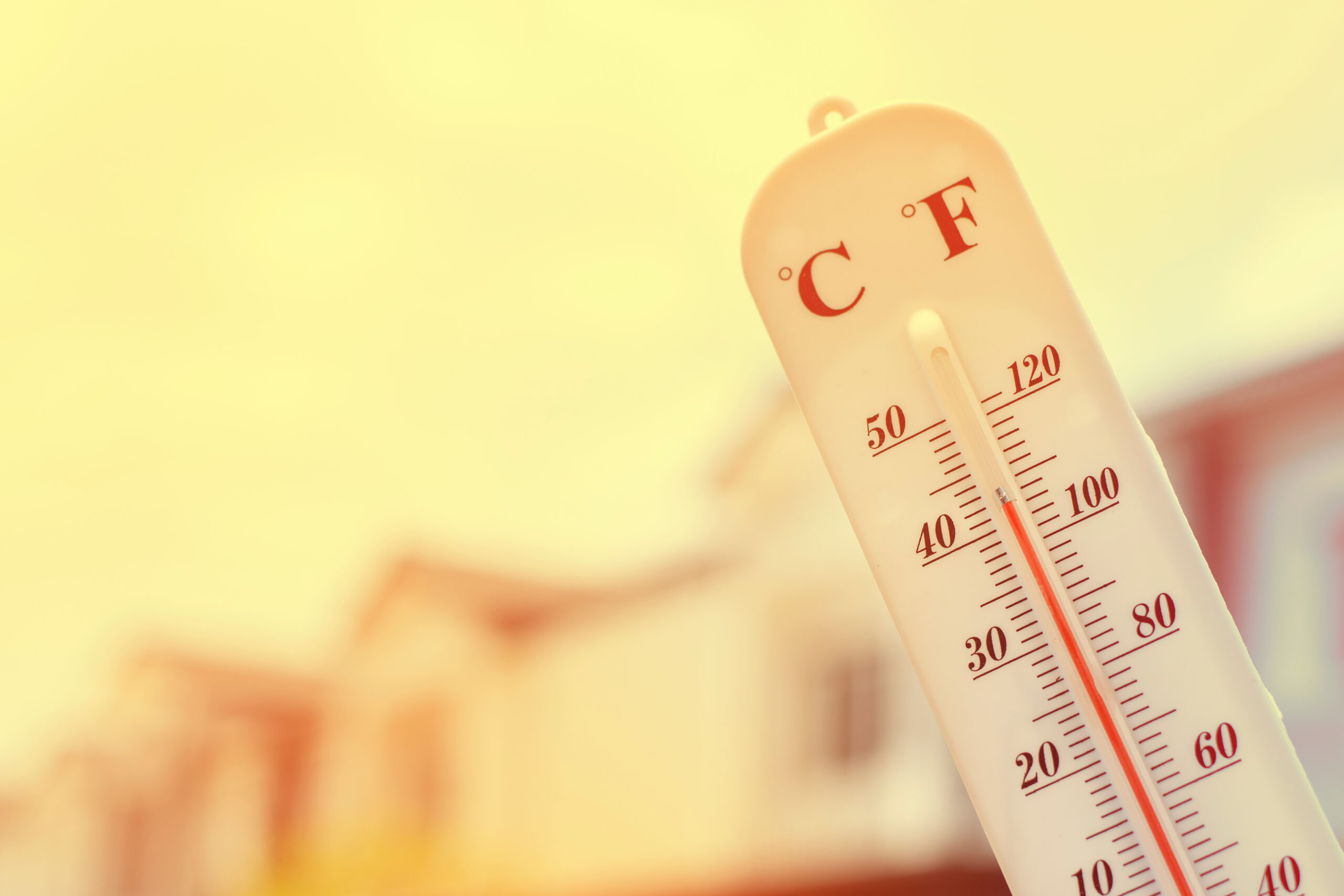
One of the most impressive meteorological experiences in the archipelago is the arrival of the Calima—a natural phenomenon in which desert sand from the Sahara is blown towards the Canary Islands by wind. This event drastically reduces visibility and bathes the sky in a very characteristic ochre hue, enveloping the landscape in an almost surreal light.
How the Calima forms and why the eastern islands are affected first
The origin of this phenomenon lies in massive, warm, and dry air masses loaded with fine dust and sand particles from the vast Sahara. Driven by strong easterly or southeasterly high-altitude winds, these huge dust clouds move across the Atlantic Ocean. Due to their geographical position and shorter distance to the African continent, these storms almost always hit the eastern islands of Lanzarote and Fuerteventura first, before moving on to Gran Canaria, Tenerife, and the western islands.
Meteorologically, two main situations are distinguished:
Dry Calima: This is by far the most common and typical form. It is characterized by a dense layer of dust accompanied by a drastic and sudden drop in relative humidity, creating an extremely dry, dusty, and hot condition.
Humid Calima: This occurs when airborne dust particles mix with humid sea air, sea fog, or low clouds. This often leads to muggy, oppressive humidity and can, in some cases, even lead to the well-known light mud rain, covering cars and terraces with a fine layer of clay.
Effects on daily life and comprehensive precautions
The high concentration of airborne particles (PM10) directly affects daily life and requires specific protective measures, especially for sensitive groups:
Health and airways: Air heavily laden with fine desert dust and particles can severely irritate mucous membranes and airways. It is strongly recommended to avoid strenuous outdoor exercise or physical exertion, as well as to keep doors and windows firmly closed during peak density periods.
Visibility: In severe episodes, visibility can drop to a few kilometers or even meters. On the islands, this regularly leads to flights being temporarily canceled, diverted, or suspended at airports. Utmost caution and adapted driving are also required on the roads.
Protection of homes and vehicles: Fine dust particles penetrate even the smallest crevices and settle on all exterior and interior surfaces. Vehicles covered in a thick layer of dry mud or sand should not be cleaned immediately with stiff brushes or a pressure washer, as the fine sand grains act like sandpaper and can scratch the paintwork; it is advisable to wait until the storm has passed.
Adapting to the Canarian climate and the rhythm of the islands
Anyone living in, emigrating to, or starting a new life in the Canary Islands needs to know this fascinating yet demanding phenomenon and learn how to deal with it. Even though the Calima can be a noticeable burden on people and technology during its most intense phases, it is an inseparable part of the archipelago’s climatic, historical, and geographical identity, uniquely connecting the islands to the African continent.